Product Candidate
Thymosin Beta-4 in Cardiac Healing: Preclinical Rationale for Repair-Associated Biology in Myocardial Injury
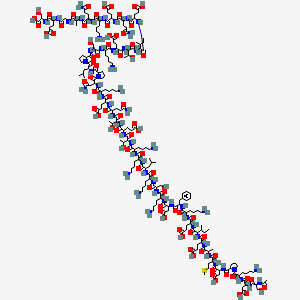
Thymosin beta-4 (Tβ4) is a naturally occurring, water-soluble peptide implicated in actin dynamics and repair-associated cellular responses. Through effects linked to cell migration and vascular remodeling, Tβ4 has been studied in experimental settings relevant to myocardial injury, where restoration of perfusion, preservation of viable myocardium, and control of maladaptive remodeling are central objectives.
Across preclinical models of cardiac damage, Tβ4 has been reported to support pathways associated with angiogenesis and tissue repair. Experimental findings summarized in the literature include effects consistent with cardiomyocyte survival, progenitor-cell–associated responses, and modulation of inflammatory signaling and post-injury remodeling. In addition, Tβ4 has been reported to influence wound remodeling biology, including processes linked to myofibroblast-associated fibrosis and scar formation, supporting continued evaluation in contexts where fibrotic remodeling contributes to functional impairment.
A review published in 2020 summarized available evidence on Tβ4 in cardiac injury and discussed its potential relevance to repair and functional recovery in preclinical settings (1). Björklund Pharma AS is evaluating Tβ4 as part of its regenerative medicine program, with a focus on mechanistic plausibility, translational feasibility, and indication-specific endpoints. Any future clinical direction will require rigorous validation, including dose rationale and safety characterization.
References
- Bjørklund G, Dadar M, Aaseth J, Chirumbolo S. Thymosin β4: a multi-faceted tissue repair stimulating protein in heart injury. Curr Med Chem 2020; 27: 6294-6305.