Product Candidate
Fabomotizole: A Third-Generation Anxiolytic Drug
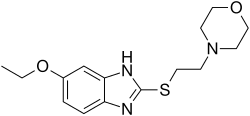
Fabomotizole (4-[2-[(6-ethoxy-1H-benzimidazol-2-yl)sulfanyl]ethyl]morpholine) is an anxiolytic compound under investigation for its anxiolytic and neuroprotective properties. In experimental and clinical studies, it has been reported to exert anxiolytic effects with a low propensity for sedative, hypnotic, or muscle-relaxant activity.
Fabomotizole has been described as reducing manifestations of anxiety and stress while stabilizing the structure of relevant receptors, restoring the functional sensitivity of neuronal receptor systems, and helping to protect them against further stress-related dysregulation. Its proposed mechanism of action involves sigma-receptor agonism, melatonergic effects, indirect GABAergic modulation, membrane-stabilizing actions, and weak inhibition of monoamine oxidase A (MAO-A).
Fabomotizole is not an agonist at benzodiazepine or barbiturate binding sites on GABA receptors and therefore does not share the classical pharmacological profile of those anxiolytic classes. In clinical observations, it has been reported to have minimal impact on psychomotor performance, including driving and other activities requiring sustained attention and rapid psychomotor responses.
Across published studies, fabomotizole has generally been well tolerated. Reported adverse effects include occasional allergic reactions and infrequent headache, which in most cases resolve without the need to discontinue treatment. Marked overdose has been associated primarily with an increase in sedative effects and drowsiness.